Are you looking to stand out as a student? Did you know there are students conducting personal research right here on campus in the marine chem lab?
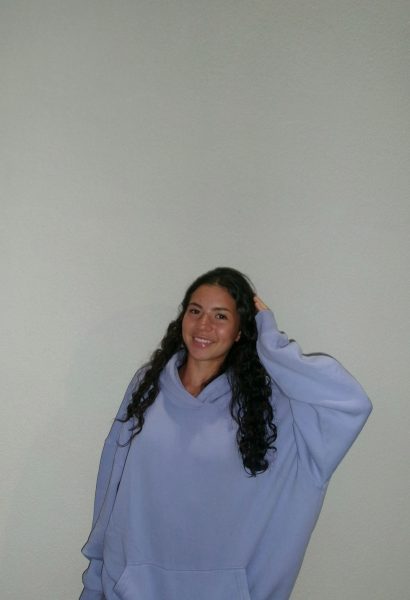
Gearing up for the annual Senior Symposium for the Bellarmine’s Marine Chemistry Program, students Senior Riley Conklin and Luke Ziegler are at hard work in the Marine Chemistry lab with their flies. The students are conducting their first independent lab research with flies and cancer research, inspecting how cancer affects their children’s survival rates. But how did they get to this point?
Uniquely, Conklin’s and Ziegler’s research is a continuation of two students from the class of 2025 through Marine Chemistry. The students work with vials, CO2 gas, living flies, and more after identifying their need for their project and having the autonomy to get their necessary equipment. They have curated the basic needs to care for the flies, and in case it runs out, Bellarmine has got it covered.
However, the journey to get to this stage in their research was not a straightforward one. Ziegler said, “This is mark three of us trying to do our project,” as the pair had originally tried to pursue a project on the chemicals inside sea slugs. However, they hit a wall when their mentor had suddenly moved to Australia. Mentors typically are a crucial driving force to conduct research, especially at a high school level. Although, Conklin and Ziegler note that depending on your project they may play a different role. But in the case of the “og sea slugs project,” their mentor had a crucial role.
The encounter of challenges did not stop there, they came to find out there can be limitations to access to supplies. For example, the students were looking to use high level technology such as HPLC (High Performance Liquid Chromatography) that you put a chemical in and it simply tells you what the chemical is made out of. Ziegler explains “all the programs that have [HPLC and other high level technology] available to high schoolers were shut down during COVID-19.” But not only that, “the new [government] administration” has restricted their accessibility, Conklin adds. She said “There used to be government programs locally that would allow students to access their machinery through science funding.” But with nuanced complications the students hit another bump in the road. In 2025 researchers have faced several challenges over the years, whether it is the global pandemic, government shut downs, or defunding for researchers.
But researchers like Conklin and Ziegler, have learned to adapt to these setbacks in order to make breakthroughs in science. in the end Conklin and Ziegler have gained grit and determination through this process: life skills that will highly benefit them in the future. Additionally, with hopes to pursue careers in research when they get older they have learned the reality researchers may face.
Don’t miss these wonderful students along with the entire Marine Chemistry Program at the Senior Symposium this winter.