
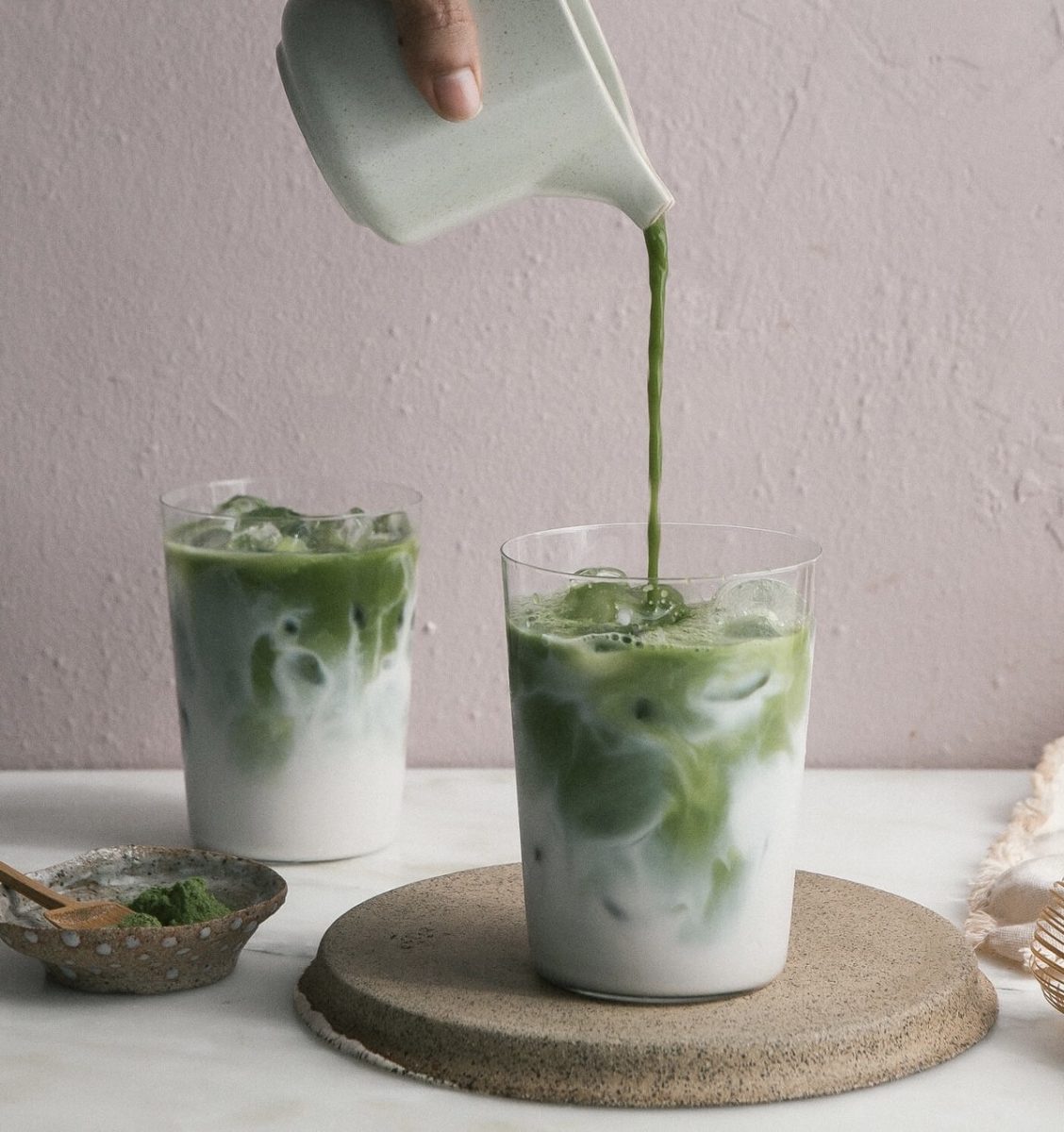
You may have recently heard of matcha, whether it be through Hailey Bieber’s “healthy lifestyle” Erewhon smoothie, Lady Gaga’s Starbucks drink, or the quarter zip meme on Instagram. With curiosity around its “exotic” green color and unique taste, many social media users are hooked and eager to participate in this new trend. However, beyond matcha’s Instagram appeal lies a deeper story of Asian flavors, stories, and the risk of cultural appropriation when they’re commodified in the west.
Despite recent internet popularization, matcha’s history dates back centuries. During China’s Tang Dynasty, matcha originated as steamed, powdered green tea valued for medicine. Through trade, it was later refined in Japan into the spiritual Chadō (Way of Tea), integrating it into the ritualistic tea ceremony, or Chanoyu. Throughout history, matcha has embodied Japanese aesthetics, becoming central to Zen practice, samurai culture, and modern wellness, permeating daily life from ceremonies to culinary arts.
Today we see matcha bought and sold in supermarket aisles and cafes across the globe, often advertised as a modern health drink. While matcha has become a global phenomenon, Asia offers a much broader spectrum of flavors with deep cultural roots. Exploring beyond matcha, these six flavors reveal the diversity and depth of Asia’s culinary heritage.
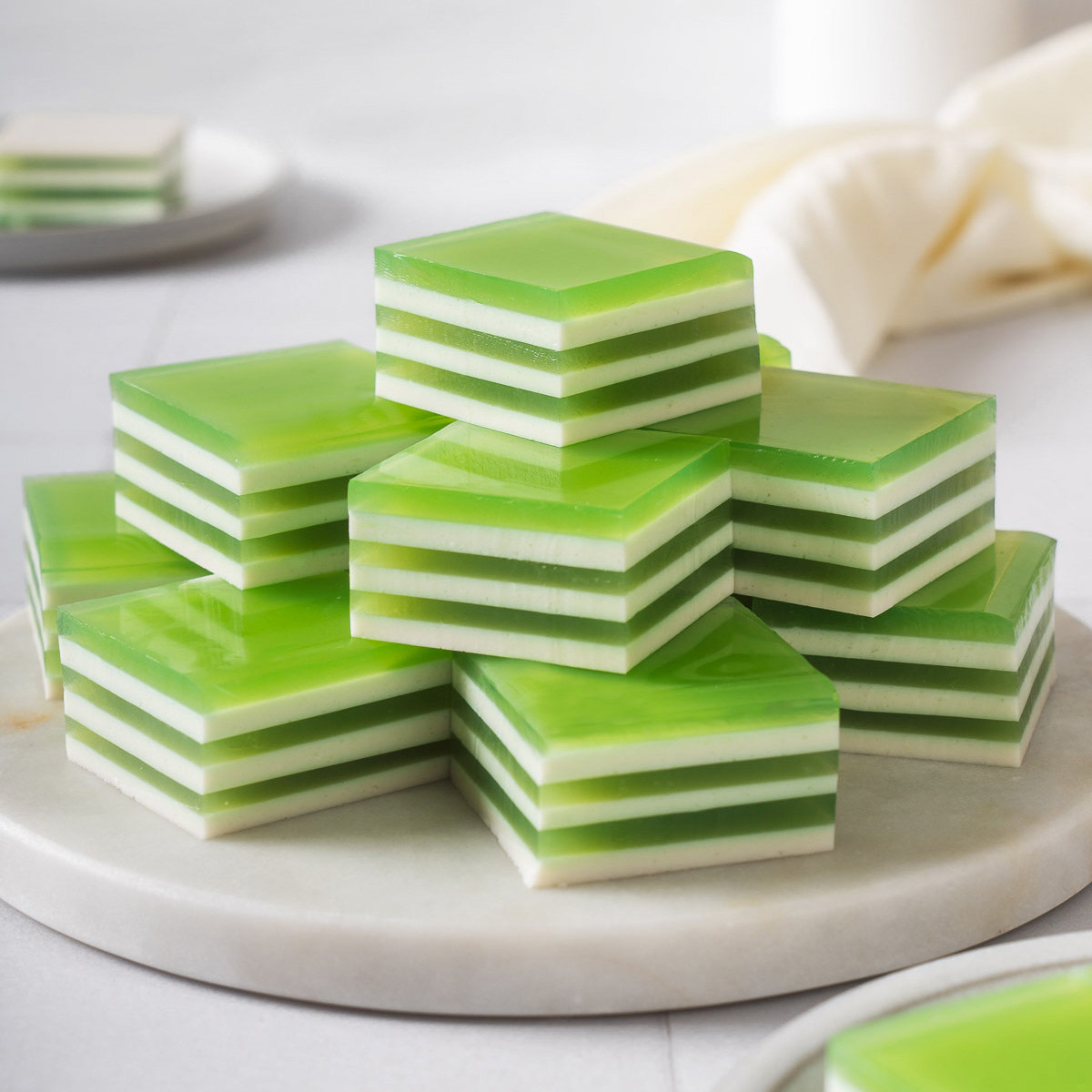
1. Pandan
Pandan is a staple in Southeast Asian cuisines. It shares similar characteristics to matcha with its vibrant green color. Its flavor is a blend of sweet vanilla and coconut, with nutty undertones. It is commonly known for its use in Vietnamese Thạch Rau Câu Lá Dứa (jelly), Filipino buko pandan, and Malaysian Seri Muka (glutinous rice and custard dessert). Throughout Asia, pandan is woven into daily life from religious ceremonies and traditional medicine to functional items like leaf mats and baskets. In Malaysia, it is used in Bunga Rampai, a natural air freshener used during weddings and other traditional ceremonies.
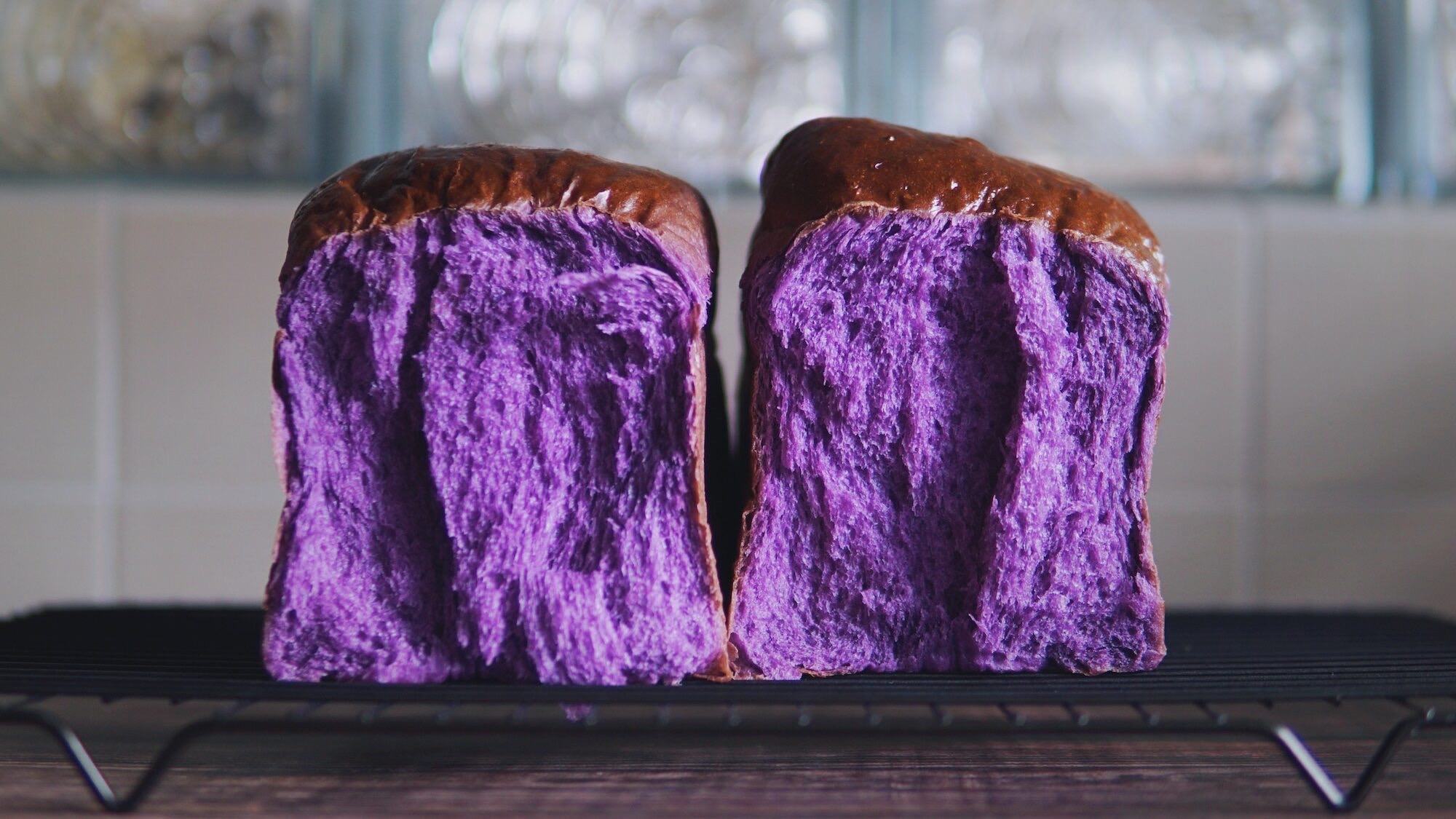
2. Ube
Ube is a popular Filipino flavor made of sweet purple yams. Ube has been a staple in Filipino desserts for generations, valued for both its flavor and vibrant color. It has a sweet, rich taste, often described as a blend of pistachio, coconut, and vanilla. It is best known for its use in ice cream, pandesal, and halo-halo. Traditionally, it’s paired with salty cheeses, contrasting its sugary taste. In the Philippines, it is a symbol of resilience, as the ube crop thrives in harsh conditions, constantly sustaining the Filipino people in times of hardship and droughts. It is central to family celebrations like Christmas and fiestas.
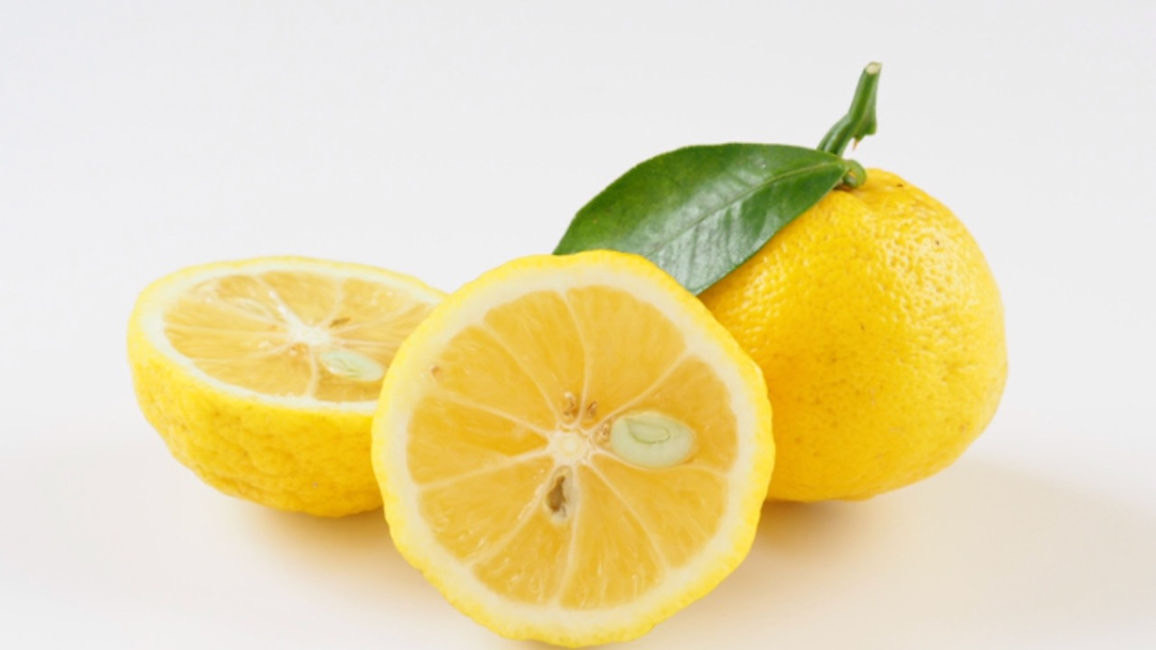
3. Yuzu/Yuja Citron
Known as yuzu in Japan and yuja in Korea, this citrus fruit is widely used throughout East Asia. It is similar to grapefruit, with a distinct sweet and tangy taste. What sets it apart is its floral, sweet marmalade-like profile, which is often enhanced by honey or pear. It has a unique and versatile flavor profile, making up various sweet and savory items. It is used most commonly in tea, ponzu shoyu, and Korean yujacheong (marmalade). In Japan, Yuzu represents luck, purification, and wellness. The most common Japanese tradition using yuzu involves bathing in yuzu baths, or yuzuyu, on the winter solstice (Toji) to cleanse the body and ward off evil spirits and sickness. It has revitalized the economy of Japanese rural areas, like Umaji village in Kochi, through innovative yuzu-based products.
4. Hojicha
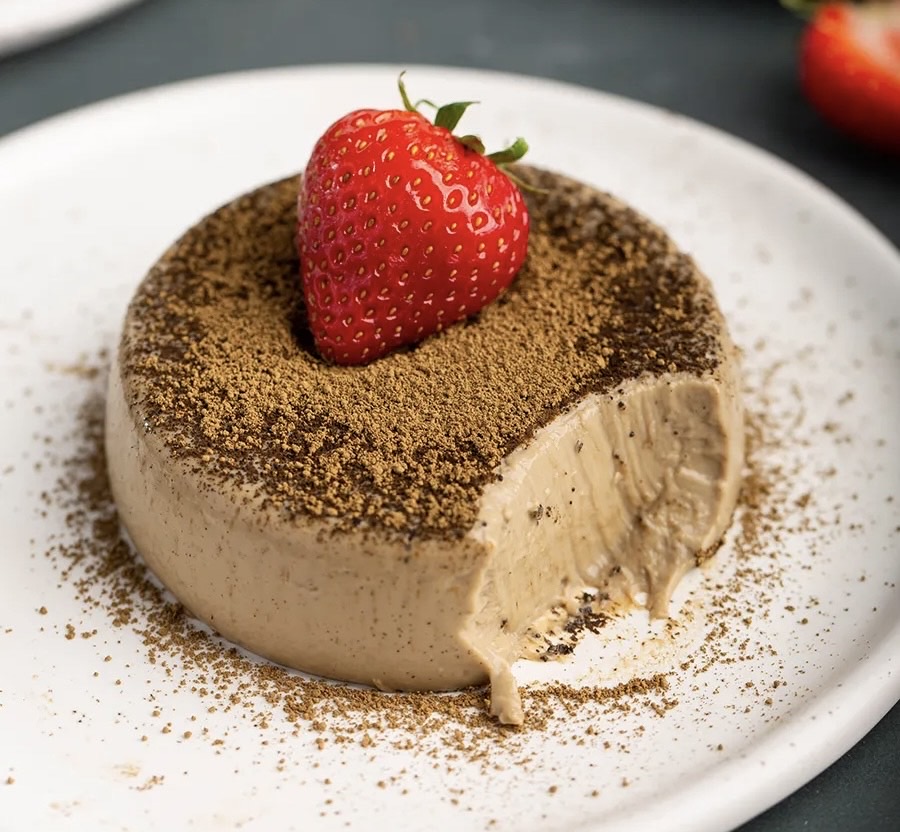
Hojicha is a Japanese green tea made from roasted tea leaves and twigs, giving it its unique earthy taste. It has a chocolaty, nutty flavor, which distinguishes it from other fragrant or fruity teas. Extending past teas, its flavor has evolved to be used in many desserts and confectionery. Born in 1920s Kyoto from roasting less favored tea leaves and twigs, Hojicha represents making something valuable from humble beginnings, a key Japanese value.
5. Azuki/Pat
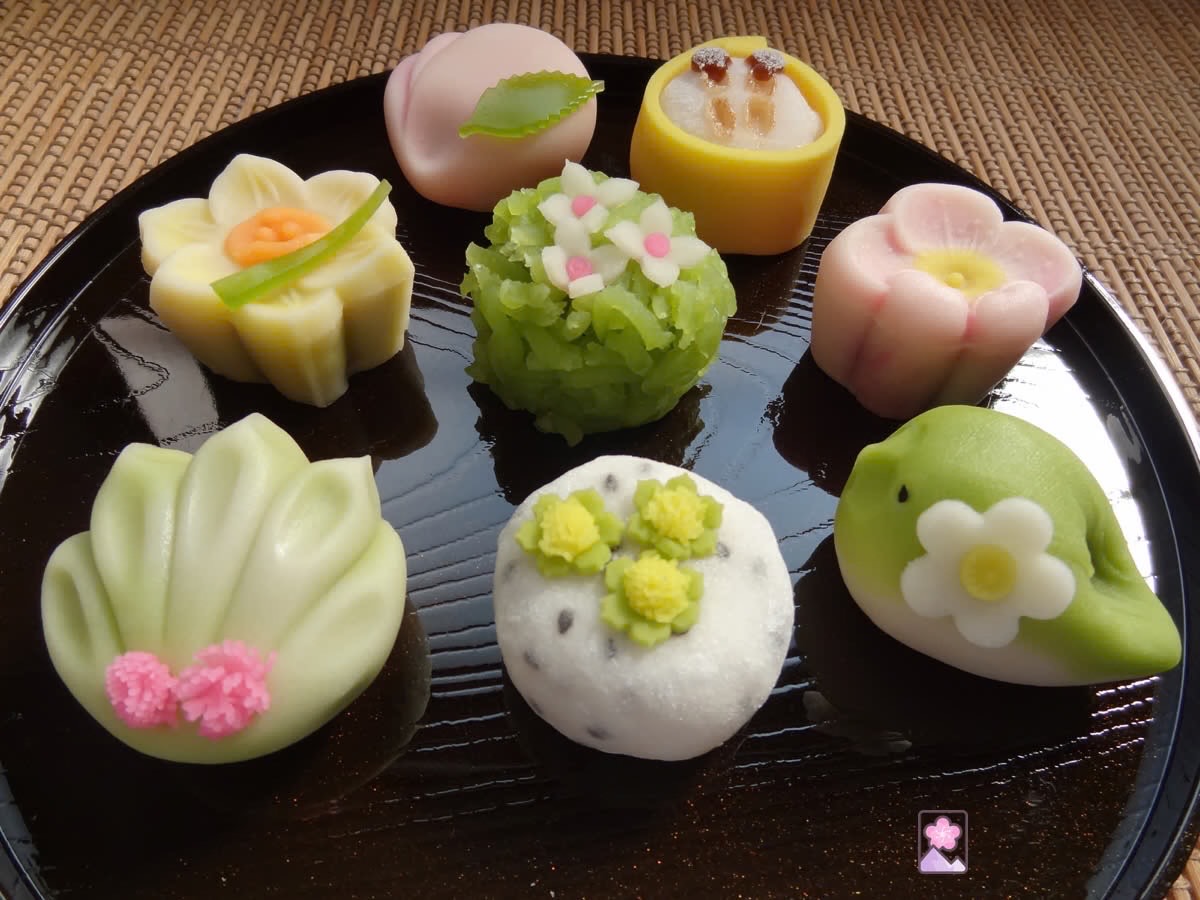
Azuki in Japanese and Pat in Korean, red bean, originated in East Asia and similarly to matcha, has also gained worldwide popularity. Its taste is described as very nutty, earthy, and sweet. It is compared to chestnuts or oats with a mild tannic depth. It is often used in dishes such as patjuk (red bean porridge), mochi, and taiyaki. Historically, it was first cultivated in China as a nutritional staple, but when introduced to Japan, it evolved into a sweet confectionery flavor, becoming an integral part of Japan’s cultural identity through wagashi. In Korea, pat is essential to Dongji (Winter Solstice) to ensure good health and fortune for the coming year.
6. Yema
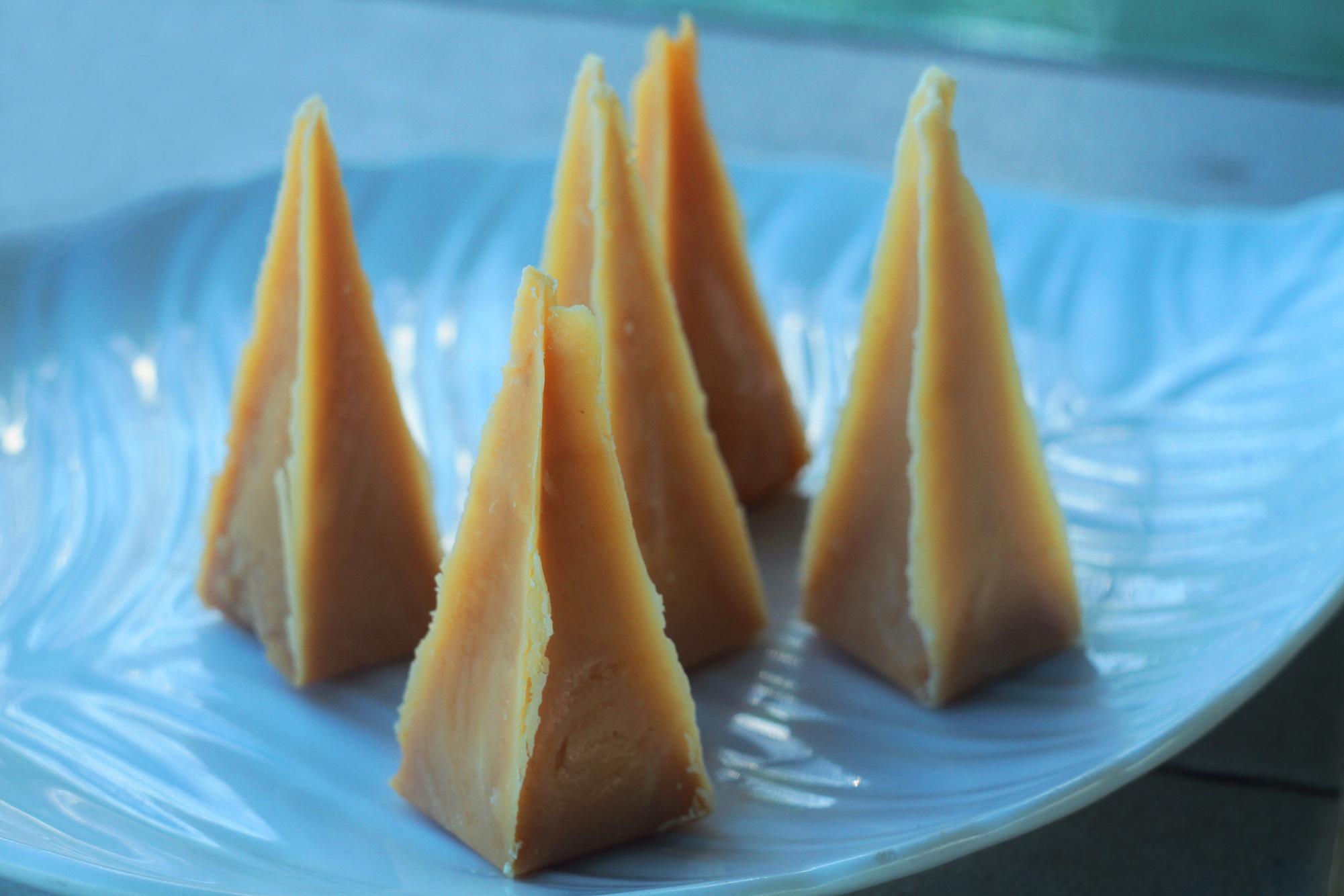
Yema is a popular sweet custard candy that originates from the Philippines. With its main ingredients being egg yolk and condensed milk, its taste is comparable to a heavier version of caramel. It is very sweet with a chewy to crumbly texture. It is most often made as a candy, spread, or filling. Yema is a powerful symbol of resilience, made during Spanish colonial times, where Filipinos transformed wasted egg yolks (used for Spanish construction projects) into food to sustain them in uncertain times.
Asia is home to so many unique flavors that may seem unfamiliar to the western world but in reality have been staples for centuries. Matcha, Pandan, Ube, Yuzu, Hojicha, Azuki, Yema—these flavors were never “discovered” by influencers or social media, they have existed for centuries as foundational cultural staples and symbols of resilience.
In today’s globalized world, western businesses have constantly capitalized on Asian products, often rebranding them as exotic gimmicks while watering down their cultural significance to make them palatable to western consumers. This cultural appropriation reduces Asian culture to a fetishized western novelty, silently reinforcing harmful stereotypes that Asians are mystical, oriental, or exotic. We see this strategy time and time again not only with matcha, but with the dupatta (“Scandinavian scarf”), chai tea lattes, Kombucha, and countless other examples.
By understanding the history and cultural importance of these flavors, we show respect for their communities and avoid appropriating them.
Support Asian-owned businesses and educate ourselves on the history behind products before buying or advertising them. Next time you have a sip of Starbucks matcha or take a bite of Trader Joe’s purple yam flavored ube ice cream, consider the rich histories and communities behind these flavors, rather than just their Instagram appeal.
Cultural representation comes from true understanding, not from an Instagram trend or a sales tactic.