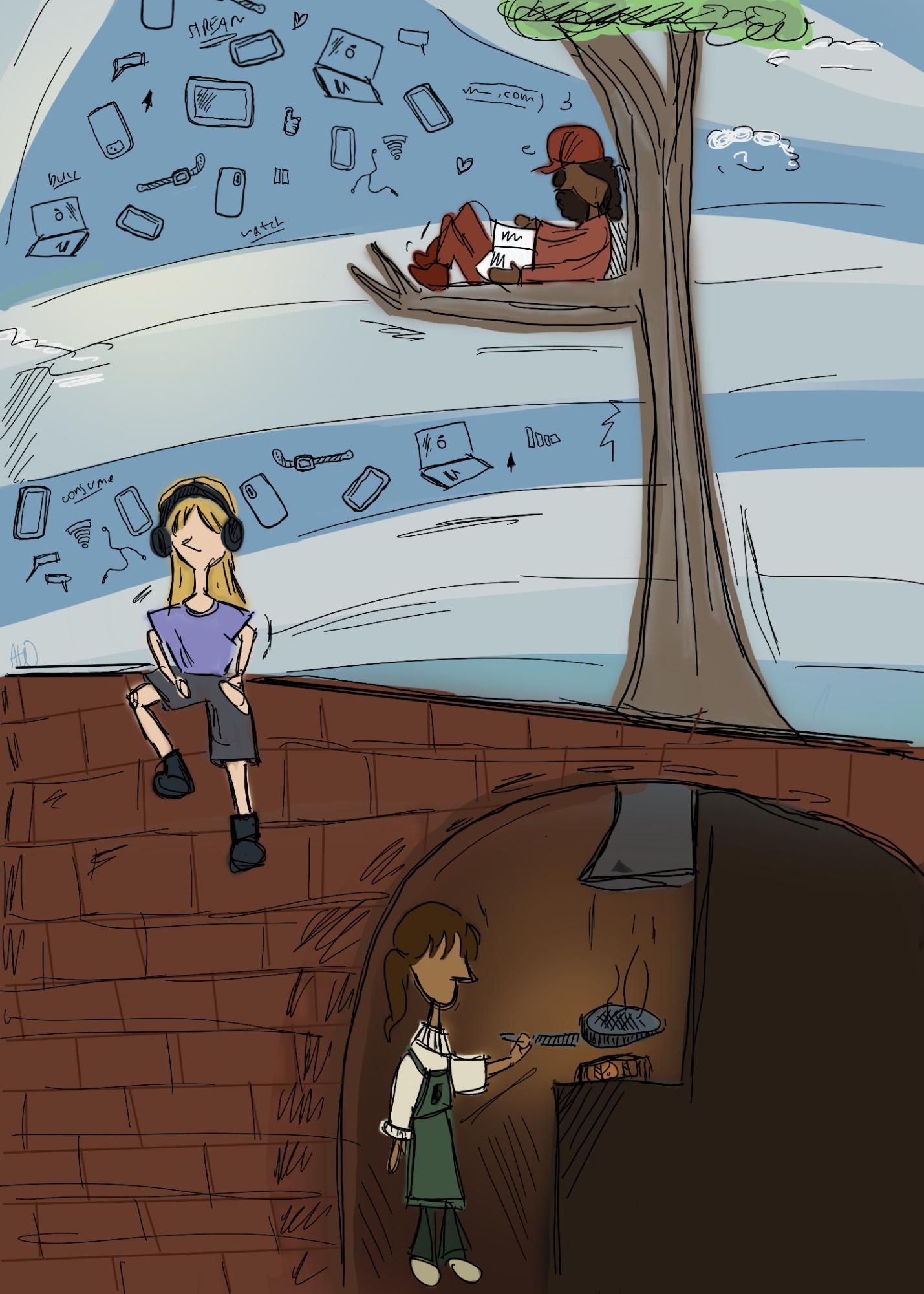
Share. Share every meal, every relationship, every thought. What matters is that it is aesthetically performative enough to make everyone feel inspired, informed, inferior, or interested in the constant production of your theatrical lifelike reality.
Where social media once encouraged constant updates, 2026 is ushering in a quieter era: more individuals are opting for the privacy of living offline. The truth isn’t about lacking material to share, but rather because some things are better kept private.
This year, privacy advocates see themselves as a modern form of status. Primarily because people are recognizing that, in a culture once dominated by constant posting, control has become more critical than unlimited access to personal lives; more simply, you can choose not to share.
One term that has drawn attention to social media in 2026 is digital saturation. After years of continuous updates, curated feeds, and performative representations of “happiness,” many people (especially younger generations) are burned out by the constant visibility of emotional labor often required. From selecting the right photo to writing the proper caption to even managing reactions, social media has become a tediously complex process. While some take an interest in this process, others find it futile or downright pointless. By choosing privacy, many noted it suggests confidence and self-assurance, signaling that audience validation is no longer lucrative.
Privacy can also reflect power over time and attention. Media exposure to the truth about social media algorithms has dramatically increased users’ desire to find the secret to “beating the algorithm” in its entirety. However, this response has shifted in the new year, as people have begun to realize that algorithms compete for every moment of our lives, making the chase for algorithmic success exhausting. Instead, being unbothered or unreachably offline implies freedom. Being able to step away from posting proves life exists beyond the screen, and how not documenting every experience can then suggest moments are valuable enough without a public nod of approval
From access to exclusivity, selective sharing has become aspirational. Stories from close friends and private accounts have begun to replace public feeds. It emphasizes intentionality when knowledge of someone’s life is limited to what they choose to reveal. It makes oversharing undesirable, as intentional privacy detracts from the original idea of isolation. Mystery, once discouraged online, has returned.
With the rise of Artificial Intelligence and its domination of the global digital picture, distrust in platforms has also risen in popularity towards the end of 2025. With heightened awareness of data tracking and digital footprints, people have become more cautious about sharing information online. With that perspective, privacy can signal digital literacy by proving an understanding that not everything should be available online, accessible to strangers, employers, or future versions of oneself.
Finally, privacy has become woven into the emotional security blanket. Knotted by parts of life kept offline and the protection they provide for relationships, mental health, and personal growth, when moments are no longer created for content, they become more authentic. And this year, authenticity is in. Privacy is the new status symbol because it represents autonomy. It means independent living standards beyond an algorithm. It proves that in an age of constant visibility, the most powerful choice can be to remain unseen.