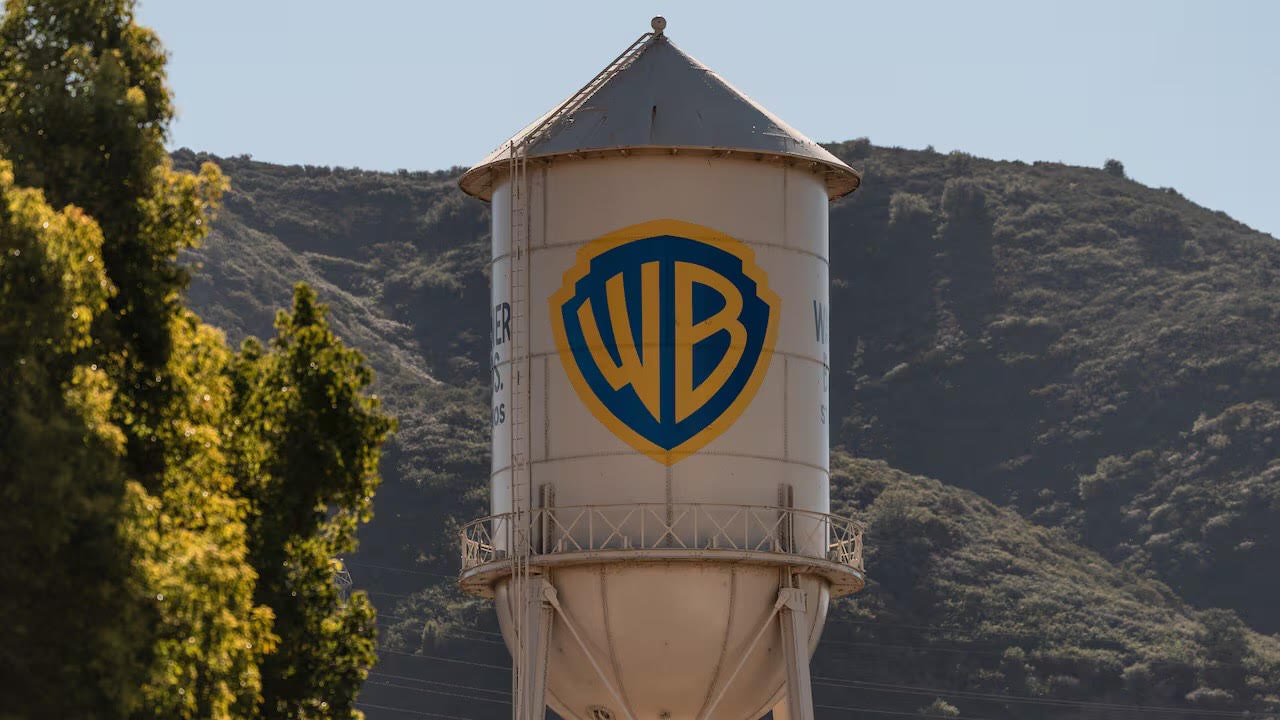
Announced to be pending in December of 2025, and suspected to close in around 12-18 months, the deal for Warner Bros Film and Television studios to be bought by Netflix was officially closed.
Sold for around 82.7 billion dollars, Warner Bros is an umbrella company that, when bought, includes not only their rights but also the rights of HBO and HBO Max streaming.
The famous company, responsible for cult – classic films like Harry Potter, The Matrix, Lord of the Rings, and all DC movies, was in massive debt from past company mergers, leading to financial instability and an inability to keep themselves afloat. While both Netflix and Paramount were up for the bid, Netflix ultimately closed it.
But why is this at all important? After all, a movie company being sold doesn’t alter any of its past releases, and all movies are released in virtually the exact same fashion.
Right?
While that is the widely perceived view of the greater public, that actually could not be further from the truth – and here’s why:
Warner Bros believes in Big Movie Release – the blockbuster sentiment we, as moviegoers, are used to. This means promotion, a huge premier, and most importantly, a date where the movie is released into theaters. The movie will run in theaters for weeks, sometimes over a month and then be released to streaming a month later for people to watch at home. So while eventually, people can watch a new breakout film in the comfort of their beds, it has to be in movie theaters first to give the public a chance to see it on the big screen, give the box office an upward push and raise conversations about said film.
However – on the flip side – Netflix believes in Small Movie Releases. This is the release we know and love that is usually utilized for shows – promoted and then immediately released to streaming on Netflix, never reaching theaters and, on average, garnering a smaller audience. However, because Netflix and Warner have significantly different numbers, this differing stance actually works marginally in their favor – Warner Bros releases only about 12 – 13 huge, moneymaking blockbusters a year (so around one movie released a month). Netflix, on the other hand, adds 100-140 movies a month to their streaming services. Because their goals are so different, it makes sense that their release philosophy is different. With the new purchase of Warner by Netflix, the greater film community worries that Warner Bros will adopt Netflix’s Small Release philosophy – and with it, a whopping 14% of all box office sales. The concern has even reached A – Listers – at the 2026 Golden Globes, many celebrities receiving awards accompanied their thank yous with words like “Keep movies in theaters,” and, “Movies should be watched the way the director intended.”
But why, in the case of Netflix, not release virtually anything in theaters? A strong current example is their new breakout film People We Meet on Vacation, which is taking the internet by storm and yet was never released into theaters. Movies that are receiving as much chatter as PWMV usually make at least four times their production budget by releasing to theaters – and yet Netflix didn’t. So why?
The Co – CEO of Netflix, Ted Sarandon, was quoted saying that movie theaters are “outdated” – the way he sees it, people don’t want to have to go through the hassle of leaving their house, paying twenty dollars and driving to the theater just to see a new movie. Because he argues that Big Movie Release culture is “completely out of step with modern life”, Netflix has adopted Small Release for almost all projects (save for huge, potentially Oscar nominated movies – current examples include 2025 “Wake Up Dead Man” and “Frankenstein”).
So is Sarandon right? Are movie theaters dead? When polled about how often they attend movie theaters, 57% of students said that they had attended the movies in the last month, over the Christmas season. But this doesn’t fully speak to whether they enjoyed the experience – Sophomore Harley Boe, who is part of the 57%, agrees with Sarandon. “I think, why would you need to go to a movie theater if you have Netflix and you can watch it on your couch?” Boe explains, “[and] if you’re at home and you don’t like the movie you can just like, turn it off.”
However, many of Boe’s classmates disagreed with her, arguing that movie theaters are important to modern culture. “I think it’s important because I feel like with social media and reels and TikTok, our attention span is decreasing and I feel like it’s really hard for people to sit down and watch something for two hours.” Sophomore Irene Armanious responded. Nonetheless, Armanious countered her own argument, pointing out that movie theaters are expensive. “Whenever I go to the movie theater, my family spends a lot of money on food and stuff so it’s definitely cheaper to watch it at home.” She said.
When asked if she thinks movie theaters have phased out of modern culture, junior Cora Ecklund replied, ”It’s kind of sad, but I think a lot of people are too lazy. I think people want to be in the comfort of their own home and save money because it is cheaper, so I think it definitely is way less popular. As sad as that is, it’s definitely true.”
And if what Ecklund is saying is true – what does that say about society? Are people really so lazy that they do not want to leave their house unless they are forced to? And is society so ready to cater to that mindset – have we accepted that if anything can be made lower impact, it will be?
And what does this mean for small, local movie theaters and movies as a whole? With TikTok and three minute videos the norm, are not only theaters but movies in general phasing out of modern life? Is Warner Bros just the beginning of the end for movie culture as a whole?
But also – is this just the start of a new era of accessibility? An average trip to a movie theater costs around 15 dollars, without snacks and drinks and extra expenses. For many, that’s a check they can’t cash – and with subscriptions hiking up their prices already, seeing things in theaters just isn’t an option for many. So is a lack of theaters positive for inclusion?
The answers to these questions remain to be seen in the coming years. As Netflix figures out what strategy Warner Bros will take on – Big, Small, or something new in between – all we can do is sit.
Wait.
And watch.